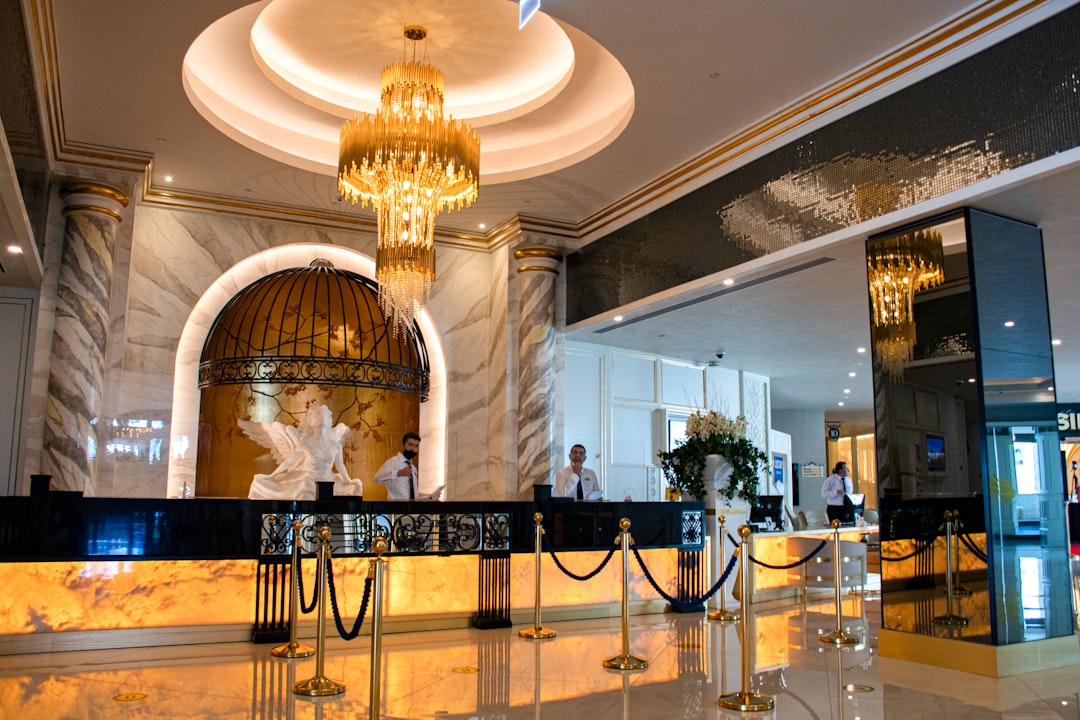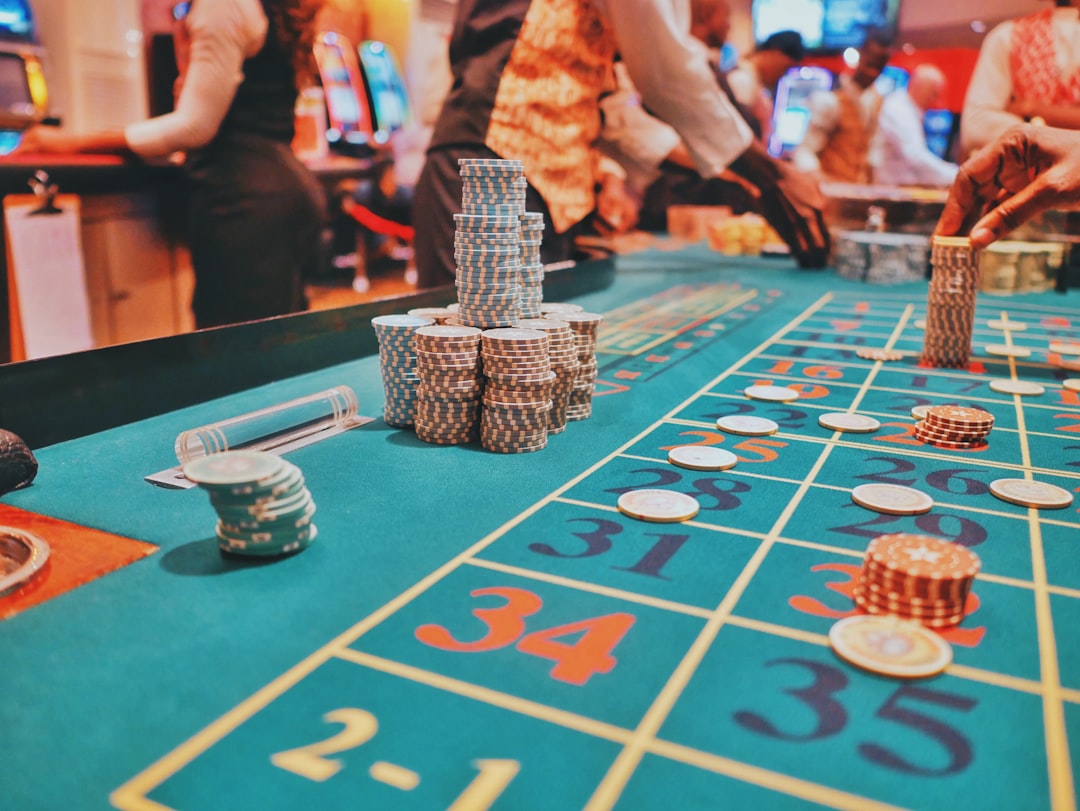
The glittering chandeliers, the hushed elegance, the thrill of chance meeting strategy—modern European casino culture represents centuries of evolution from aristocratic salons to today's luxury gaming establishments. At EldergroveRetreat, we honor this rich heritage while offering contemporary sophistication. Understanding this history deepens appreciation for the refined entertainment experience that distinguished casinos provide.
The story of European casino culture intertwines with social history, architectural innovation, technological advancement, and evolving attitudes toward gaming and entertainment. From Venice's 17th-century ridotto to Monte Carlo's legendary establishment to boutique luxury casinos like EldergroveRetreat, each era has contributed unique elements to the sophisticated gaming culture we celebrate today.
Origins: The Ridotto and Aristocratic Gaming
The word "casino" derives from the Italian "casa," meaning house, originally referring to small country villas or social clubs. However, the first true casino in the modern sense opened in Venice in 1638. The Ridotto (meaning "private room") was established by the Venetian government to provide controlled gaming during carnival season. This revolutionary concept brought gambling out of private homes and into a regulated public space.
The Ridotto set precedents that persist today: it established house rules, employed professional dealers, created an atmosphere of refinement, and most importantly, demonstrated that gaming could be both entertaining and socially acceptable when conducted in proper surroundings. Players were required to wear masks during carnival season, adding an element of mystery and equality as nobles and wealthy merchants mingled anonymously.
Throughout the 17th and 18th centuries, gaming spread through European aristocratic circles. French salons became renowned for card games like faro and basset, while German spa towns began offering gaming alongside health treatments. These establishments understood that gaming represented just one element of a comprehensive entertainment and social experience—a philosophy that luxury casinos like EldergroveRetreat maintain today.
This aristocratic period established gaming as sophisticated entertainment rather than mere gambling. The emphasis on etiquette, dress codes, and refined atmosphere created a template that European casinos would follow for centuries. Gaming became intertwined with social status, cultural sophistication, and the pursuit of elegant leisure.
The Spa Town Era: Bad Homburg and Baden-Baden
The 19th century witnessed the rise of casino culture in European spa towns. Wealthy visitors came to "take the waters" for their health and stayed for the gaming and social excitement. Baden-Baden in Germany's Black Forest and Bad Homburg became particularly renowned, attracting royalty, artists, and aristocrats from across Europe.
These spa casinos pioneered the integration of gaming with comprehensive resort experiences. Visitors could enjoy thermal baths, concerts, theater performances, fine dining, and gaming all within a single elegant complex. The Kurhaus in Baden-Baden, with its magnificent architecture and stunning interiors, epitomized this approach. Dostoyevsky famously gambled there, later channeling the experience into his novel "The Gambler."
Bad Homburg introduced several innovations that became gaming standards. The Blanc brothers, François and Louis, established a casino there and refined roulette, eliminating the double zero to offer better odds for players—creating what we now know as European roulette. This player-friendly approach attracted sophisticated gamblers and established Bad Homburg's reputation for fair play.
The spa town casino model demonstrated that gaming worked best as part of a holistic luxury experience. This philosophy directly influences modern boutique casino hotels like EldergroveRetreat, where gaming complements fine dining, luxurious accommodation, and refined hospitality rather than existing in isolation.
Monte Carlo: The Golden Age
When gambling was outlawed in Germany and France in the 1860s, an opportunity emerged for the tiny principality of Monaco. Princess Caroline granted a concession to François Blanc (of Bad Homburg fame) to operate a casino in Monte Carlo. What followed became perhaps the most famous casino story in European history.
Blanc transformed Monte Carlo into a destination synonymous with glamour, luxury, and sophisticated gaming. The Casino de Monte-Carlo, designed by Charles Garnier (architect of the Paris Opera), opened in 1863 and set new standards for opulence. Its Belle Époque architecture, ornate interiors, and spectacular location overlooking the Mediterranean created an unforgettable setting.
Monte Carlo attracted European royalty, American industrialists, famous artists, and international celebrities. The casino became featured in literature, art, and eventually film, cementing its legendary status. The establishment maintained strict dress codes and behavioral standards, ensuring that the Monte Carlo experience remained exclusive and refined.
The Monte Carlo model proved that a casino could be a cultural institution, not merely a gambling hall. It showed that exceptional service, stunning architecture, strategic location, and cultural cachet could create a destination that transcended gaming. This holistic approach to luxury casino entertainment remains the gold standard that establishments like EldergroveRetreat aspire to achieve.
The Interwar Period: Democratization and Expansion
The period between World Wars I and II saw European casino culture expand and evolve. The French Riviera developed into a casino playground, with establishments in Cannes, Nice, and Biarritz joining Monte Carlo. These casinos catered to a slightly broader clientele while maintaining standards of elegance and sophistication.
This era also witnessed the rise of casino culture in spa towns across Central and Eastern Europe. Karlovy Vary (Carlsbad) in what is now the Czech Republic, Marienbad, and other spa destinations developed elegant casinos that blended gaming with health tourism. These establishments proved that casino culture could thrive across diverse European regions.
Aviation's development made casino destinations more accessible, beginning a gradual democratization of casino culture. What had been exclusively aristocratic became accessible to the wealthy merchant and professional classes. Casinos adapted by offering various gaming limits to accommodate different budgets while maintaining their refined atmosphere.
Despite this broader accessibility, European casinos maintained their commitment to elegance and proper conduct. Dress codes remained strict, etiquette was enforced, and the atmosphere remained sophisticated. The underlying philosophy persisted: casinos offered refined entertainment for those who appreciated quality and sophistication, regardless of their titled status.
Post-War Renaissance and Modern Luxury
Following World War II, European casino culture experienced a renaissance. Established casinos were restored and modernized, while new destinations emerged. The Italian Riviera, particularly San Remo, developed prominent casino culture. Austria's casinos in Vienna and other cities gained prominence. The United Kingdom relaxed gaming laws, leading to London's development as a casino destination.
This period saw technological modernization while maintaining traditional elegance. Air conditioning, improved lighting, and modern security systems enhanced comfort and safety without compromising aesthetic beauty. Table games were refined and standardized, creating consistent experiences across different establishments.
The late 20th century brought new challenges and opportunities. Las Vegas's rise created a different casino model emphasizing mass entertainment and spectacular theming. Some European casinos responded by doubling down on their traditions of intimacy, elegance, and personalized service—the boutique approach that distinguished European gaming culture.
Contemporary luxury casinos recognize that modern affluent travelers seek experiences rather than mere services. They desire intimate settings over massive complexes, personalized attention over anonymous efficiency, and cultural authenticity over manufactured theming. This shift has renewed appreciation for the European casino model that prioritizes quality and refinement.
The Italian Casino Tradition
Italy holds a special place in casino history, having given birth to both the concept and the name. Beyond the historic Ridotto, Italy developed a distinctive casino culture emphasizing style, social interaction, and integration with broader cultural experiences. Italian casinos traditionally occupied stunning locations—Venice's palazzos, lakeside retreats, and coastal resorts.
Italian gaming culture emphasized social interaction and atmosphere as much as gaming itself. The passeggiata tradition—the evening social stroll—extended to casino floors, where seeing and being seen mattered as much as playing. This social dimension distinguished Italian casino culture from the more focused gaming atmospheres elsewhere.
Italian cuisine and wine culture naturally integrated with casino experiences. Gaming sessions were punctuated by exceptional dining, from quick espressos to elaborate multi-course meals. This holistic approach to hospitality—combining gaming, dining, socializing, and cultural experiences—represents the Italian contribution to casino culture.
Modern Italian boutique casino hotels like EldergroveRetreat continue this tradition, offering intimate settings where gaming complements rather than dominates the overall experience. The emphasis remains on quality, authenticity, and the seamless integration of multiple elements into a cohesive luxury experience.
The Boutique Casino Movement
Recent decades have witnessed a boutique casino movement throughout Europe, particularly in Italy. These establishments deliberately limit size to maintain intimacy and exclusivity. Rather than competing on scale, they differentiate through personalized service, unique character, and attention to detail.
Boutique casinos typically offer fewer than 150 rooms and smaller gaming floors with carefully curated table games and slot machines. This selectivity allows higher staff-to-guest ratios, more personalized attention, and atmospheres of genuine exclusivity. Guests are recognized as individuals rather than processed as numbers.
These establishments often occupy buildings with historical or architectural significance, or new constructions that emphasize distinctive design over generic luxury. The goal is creating memorable, authentic experiences that reflect their location's culture and character. At EldergroveRetreat, our design and service philosophy embraces this boutique approach entirely.
The boutique movement represents a return to European casino culture's roots—intimate salons where refined individuals gathered for sophisticated entertainment. This model appeals particularly to experienced travelers who've tired of massive resorts and seek more personal, authentic luxury experiences.
Technology and Tradition: The Modern Balance
Contemporary European luxury casinos face the challenge of incorporating modern technology while preserving traditional elegance and personal service. The most successful establishments achieve this balance by using technology to enhance rather than replace the human elements that define luxury hospitality.
Modern slot machines and electronic table games offer contemporary gaming options, but traditional live dealer tables remain the centerpiece of luxury casino floors. Digital payment systems and player tracking enhance convenience, but personal relationships with casino hosts and staff remain paramount. Security technology ensures safety, but discreetly, without creating an atmosphere of surveillance.
Online gaming has emerged as a complement rather than competitor to physical casinos. Luxury establishments recognize that online platforms serve different purposes—convenience, practice, and accessibility—while physical casinos offer experiences that digital platforms cannot replicate: social interaction, atmosphere, personal service, and the intangible excitement of being present in elegant surroundings.
The most forward-thinking luxury casinos use technology to deepen personalization. Sophisticated customer relationship management systems help staff anticipate guest preferences, remember details, and provide seamless service. However, this technology remains invisible, allowing guests to experience the magic of seemingly intuitive, personalized service.
Conclusion: Heritage and Future
The evolution of European casino culture from 17th-century Venetian ridotto to 21st-century boutique luxury represents a fascinating journey through changing social attitudes, technological innovation, and evolving concepts of entertainment and hospitality. Throughout this evolution, certain core principles have endured: the importance of elegant atmosphere, the value of personal service, the integration of gaming with comprehensive hospitality, and the commitment to refined entertainment.
At EldergroveRetreat, we see ourselves as inheritors and custodians of this rich tradition. We honor casino culture's history while embracing contemporary luxury's possibilities. Our boutique approach deliberately references the intimate salons and exclusive clubs where European casino culture began, while our services and amenities meet modern luxury travelers' sophisticated expectations.
Understanding this heritage enriches the gaming experience. When you step onto EldergroveRetreat's casino floor, you're participating in a tradition centuries old, refined through generations, and adapted for contemporary sophistication. This awareness transforms gaming from simple entertainment into a cultural experience—a connection to European heritage and the timeless appeal of elegant risk-taking in beautiful surroundings. The future of European casino culture lies in establishments that honor this past while creating new chapters in this ongoing story of refined entertainment.